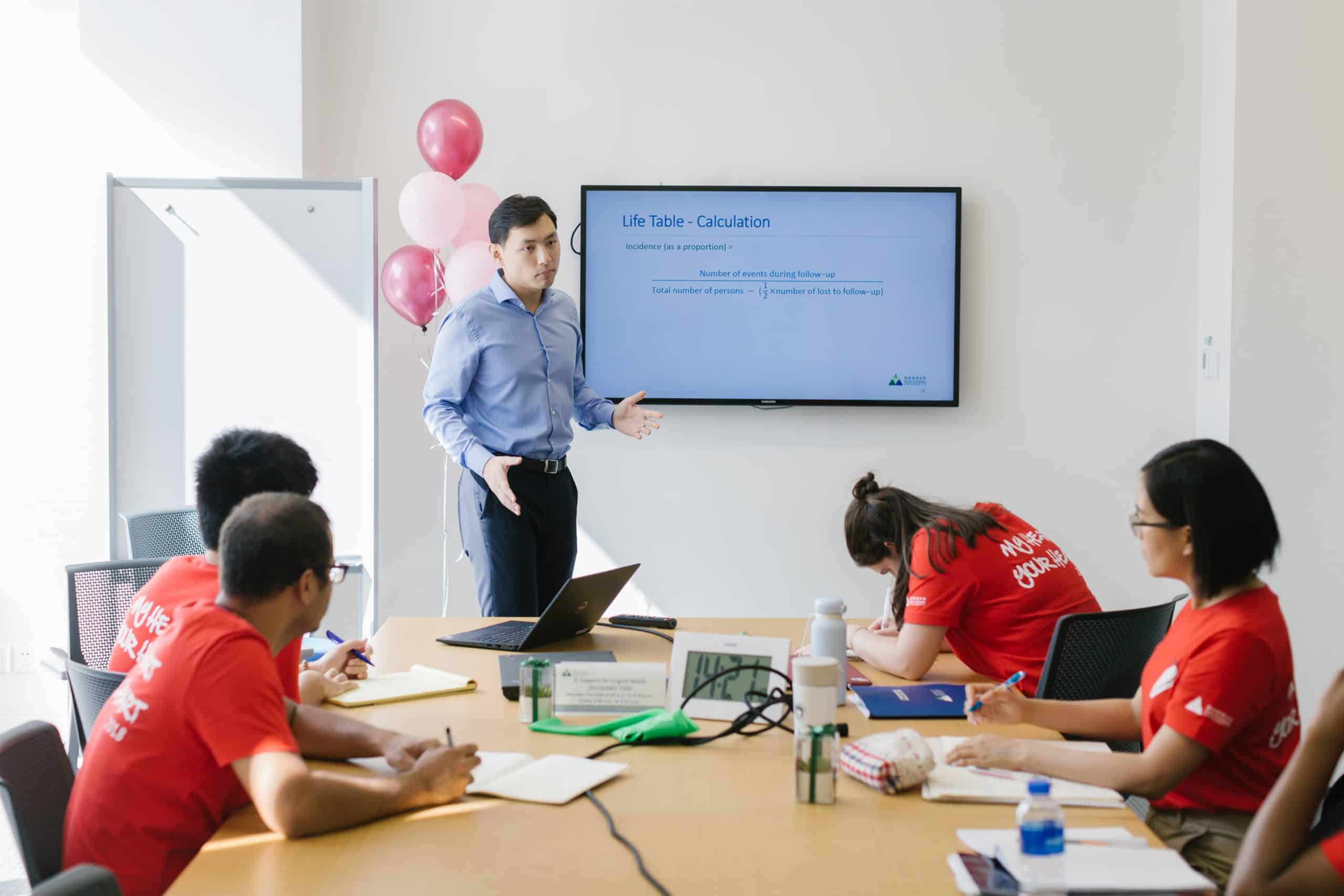
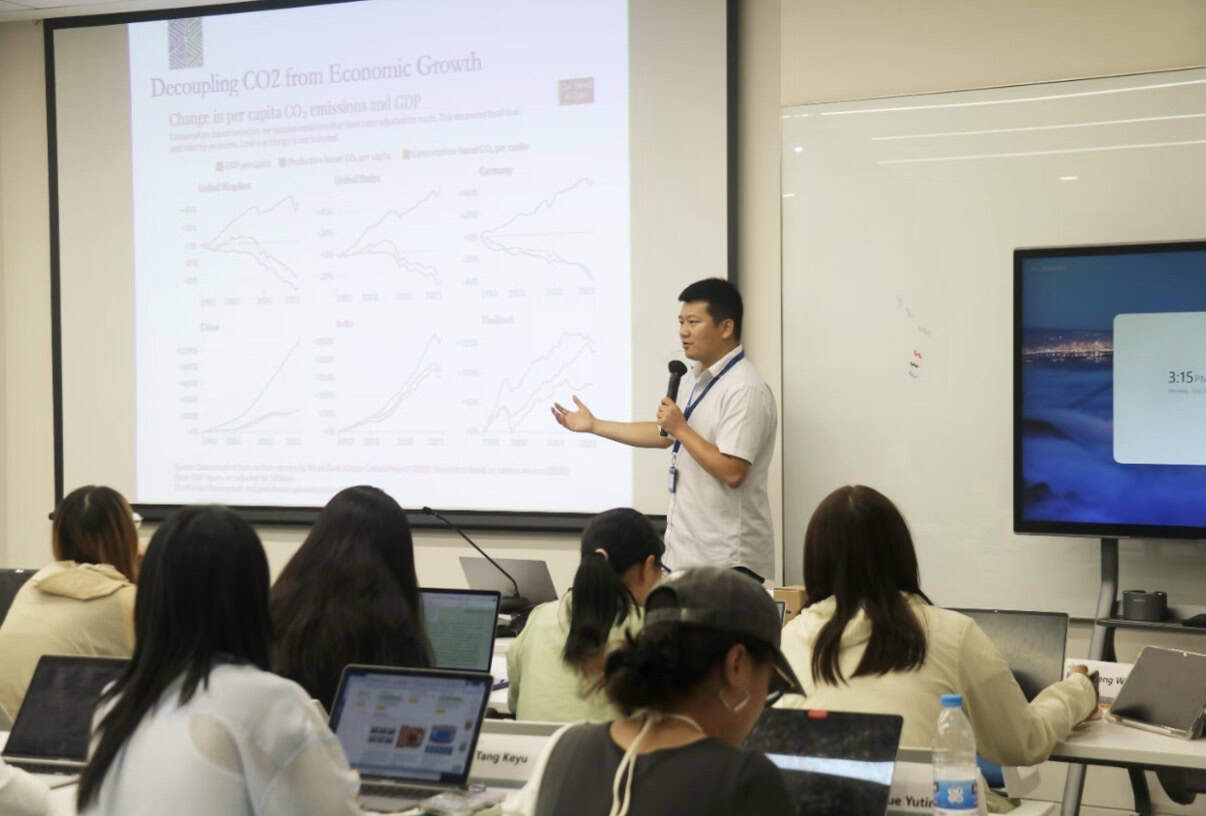
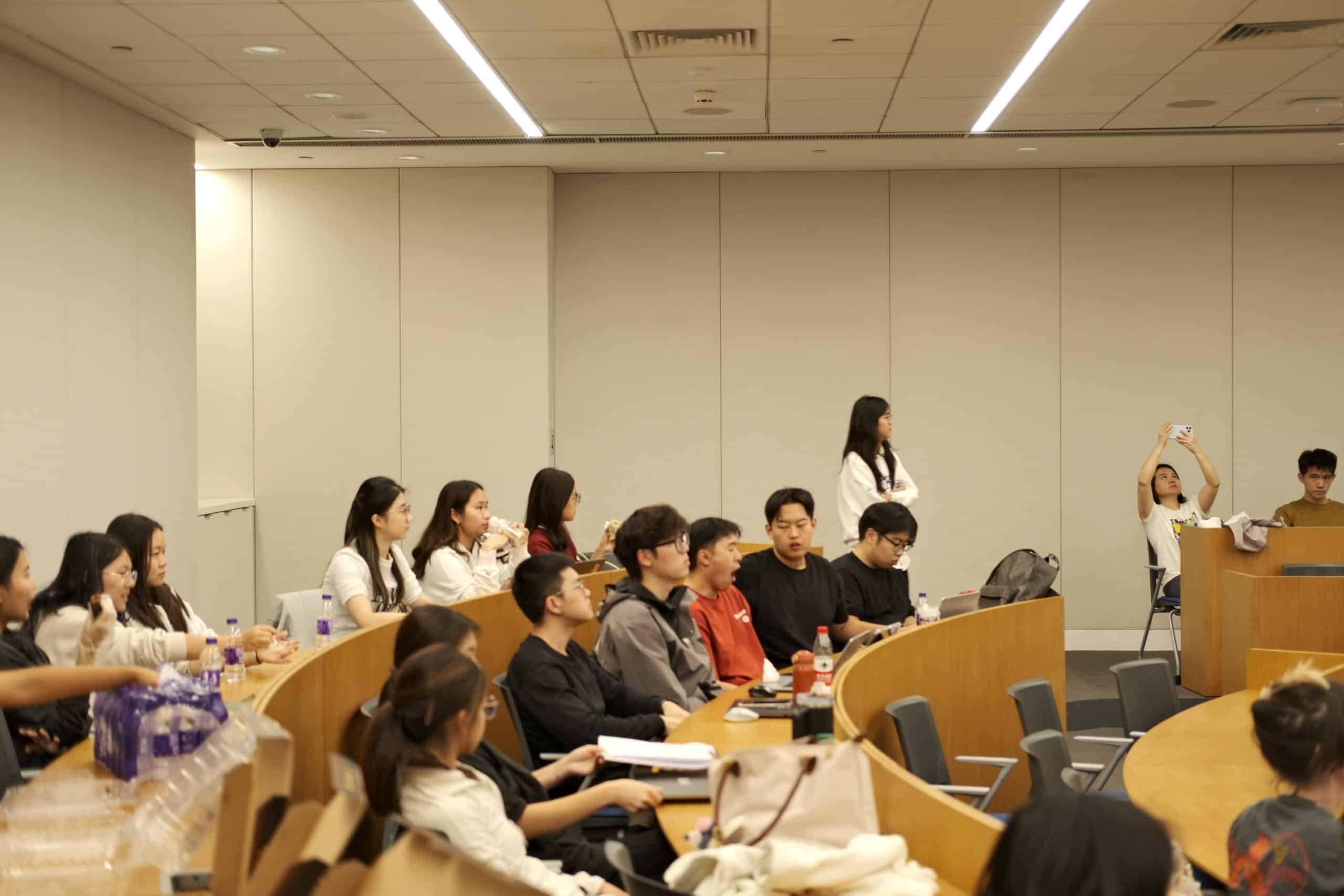
The five-day program brings together the fields of global health and environmental policy to help you understand how these two areas work hand in hand to address
today’s sustainability challenges. Developed from Duke Kunshan University’s acclaimed Master of Global Health (GH) and international Master of Environmental Policy
(iMEP) programs, it offers an immersive learning experience that connects health, environment, and sustainability. The first two days focus on global health, exploring
public health systems, drives of health equity, and how climate change reshapes human well-being. Through an interdisciplinary lens, you will uncover the dynamic links
between health and the environment. The following two days focus on environmental policy, covering governance, pollution, and innovative strategies for building a
sustainable future. Through interactive lectures, hands-on workshops, and team-based leadership projects, you will apply your learning to real-world cases. By the end
of the program, you will collaborate with peers to develop innovative policy solutions and experience the power of interdisciplinary collaboration in shaping a
sustainable future.
The five-day program brings together the fields of global health and environmental policy to help you understand how these two areas work hand in hand to address
today’s sustainability challenges. Developed from Duke Kunshan University’s acclaimed Master of Global Health (GH) and international Master of Environmental Policy
(iMEP) programs, it offers an immersive learning experience that connects health, environment, and sustainability. The first two days focus on global health, exploring
public health systems, drives of health equity, and how climate change reshapes human well-being. Through an interdisciplinary lens, you will uncover the dynamic links
between health and the environment. The following two days focus on environmental policy, covering governance, pollution, and innovative strategies for building a
sustainable future. Through interactive lectures, hands-on workshops, and team-based leadership projects, you will apply your learning to real-world cases. By the end
of the program, you will collaborate with peers to develop innovative policy solutions and experience the power of interdisciplinary collaboration in shaping a
sustainable future.
The five-day program brings together the fields of global health and environmental policy to help you understand how these two areas work hand in hand to address
today’s sustainability challenges. Developed from Duke Kunshan University’s acclaimed Master of Global Health (GH) and international Master of Environmental Policy
(iMEP) programs, it offers an immersive learning experience that connects health, environment, and sustainability. The first two days focus on global health, exploring
public health systems, drives of health equity, and how climate change reshapes human well-being. Through an interdisciplinary lens, you will uncover the dynamic links
between health and the environment. The following two days focus on environmental policy, covering governance, pollution, and innovative strategies for building a
sustainable future. Through interactive lectures, hands-on workshops, and team-based leadership projects, you will apply your learning to real-world cases. By the end
of the program, you will collaborate with peers to develop innovative policy solutions and experience the power of interdisciplinary collaboration in shaping a
sustainable future.